Side Effects and Safety Profile of Retatrutide: What Users Should Know
As interest in Retatrutide for weight loss continues to grow, many people naturally ask an important question: Is Retatrutide safe, and what side effects should be expected?
Like other injectable weight loss therapies, Retatrutide affects powerful hormonal pathways in the body. Understanding its safety profile is essential for anyone considering or offering this treatment.
Is Retatrutide Considered Safe?
Retatrutide is currently an investigational medication undergoing clinical trials. Its safety is being evaluated under strict medical supervision, and results so far suggest a profile that is generally consistent with other incretin-based therapies, though with some important considerations due to its triple-agonist action.
Because Retatrutide activates GLP-1, GIP, and glucagon receptors, its effects can be broader than earlier medications.
Most Common Side Effects
The most frequently reported side effects are gastrointestinal, particularly during dose escalation:
- Nausea
- Vomiting
- Diarrhea
- Constipation
- Decreased appetite
- Abdominal discomfort
These side effects are typically:
- Mild to moderate
- Dose-dependent
- Temporary, improving as the body adapts
Gradual dose titration plays a key role in improving tolerability.
Less Common but Notable Side Effects
Some individuals may experience additional effects, including:
- Fatigue or low energy during early treatment
- Dizziness
- Headache
- Mild increases in heart rate
Because Retatrutide activates the glucagon receptor, metabolic stimulation may be more noticeable in some users compared to GLP-1–only therapies.
Serious Side Effects and Warnings
Although uncommon, potential risks associated with incretin-based therapies may include:
- Severe gastrointestinal intolerance
- Gallbladder-related issues with rapid weight loss
- Dehydration if fluid intake is insufficient
As with similar medications, Retatrutide may not be suitable for individuals with certain medical conditions, such as a history of specific endocrine tumors. Clinical screening is essential.
Who Should Be Cautious?
Extra caution may be required for individuals who:
- Have a history of severe gastrointestinal disease
- Are prone to dehydration
- Have complex metabolic or cardiovascular conditions
- Are taking medications that affect blood sugar
Retatrutide should only be used under professional medical guidance.
How to Reduce the Risk of Side Effects
Several strategies can help improve tolerability:
- Start with a low dose and increase gradually
- Eat smaller, protein-focused meals
- Avoid high-fat foods during early treatment
- Stay well hydrated
- Follow a consistent injection schedule
Patients who follow these guidelines often experience fewer and milder side effects.
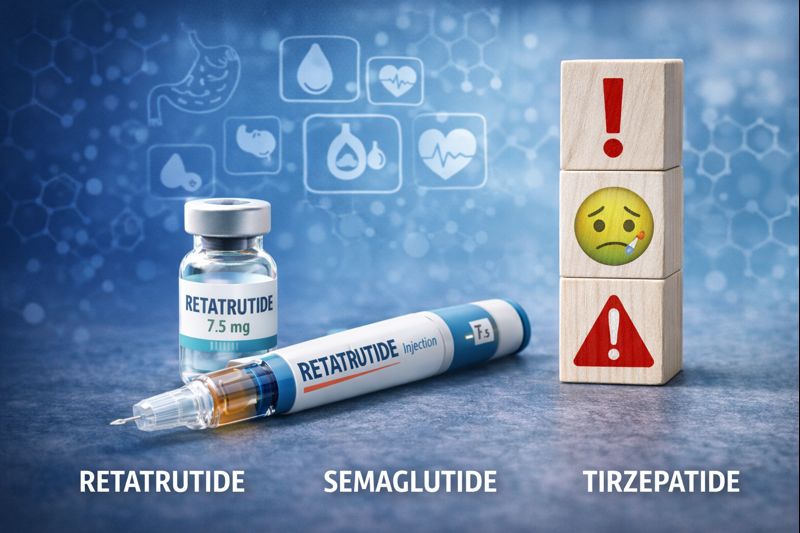
Retatrutide vs Other Weight Loss Medications: Safety Perspective
- Similar GI side effects to Semaglutide and Tirzepatide
- Potentially stronger metabolic effects due to triple agonism
- Requires careful dosing and monitoring
While Retatrutide may offer greater weight loss potential, individual tolerance varies.
Final Thoughts
Current data suggest that Retatrutide has a manageable safety profile when used responsibly and under medical supervision. Like all advanced weight loss therapies, benefits must be balanced against potential risks.
As ongoing studies continue, a clearer long-term safety picture will emerge. For now, education, screening, and professional oversight remain key to safe use.
This article is for informational purposes only and does not constitute medical advice. Always consult a qualified healthcare professional before starting any weight loss therapy.